The vast majority of elderly people in France wish to age at home, in a familiar environment. When staying at home is no longer feasible, entering a collective facility raises a question that is rarely asked directly: what remains of one’s habits once the door of the establishment is crossed? The answer depends less on the goodwill of the staff than on regulatory, architectural, and organizational mechanisms that vary greatly from one place to another.
Public evaluation of quality in nursing homes: what the reports reveal about personalization
Since December 2025, every nursing home must publish online the summary and evaluation report of its quality, accessible directly from the official directory of elderly people. These evaluations, conducted by independent organizations according to a national framework from the HAS, focus among other things on co-construction and personalization of the support project, the expression and participation of the individual, as well as the quality of care.
In practical terms, this means that a family can now consult, before any admission, how a facility addresses the issue of lifestyle habits. The personalized life project, a mandatory document for each resident, is supposed to formalize preferences: wake-up times, meals, outings, activities. Feedback from the field varies on this point, as the gap between the written document and its daily implementation can sometimes be significant.
Some facilities stand out by offering flexible living rhythms, while others continue to operate on a rigid collective scheme (fixed meal times, imposed activities, wake-up and bedtime aligned with staff rotations). The new public reports at least allow for comparisons, which did not exist in this form a few years ago. However, reading these reports requires familiarity with institutional vocabulary that many families do not have.
Structures that value the daily lives of residents adopt varied approaches, like some nursing homes in Toulon or elsewhere, where the activity program and internal organization aim to recreate an environment close to home.
Personalized life project in nursing homes: between intention and daily reality
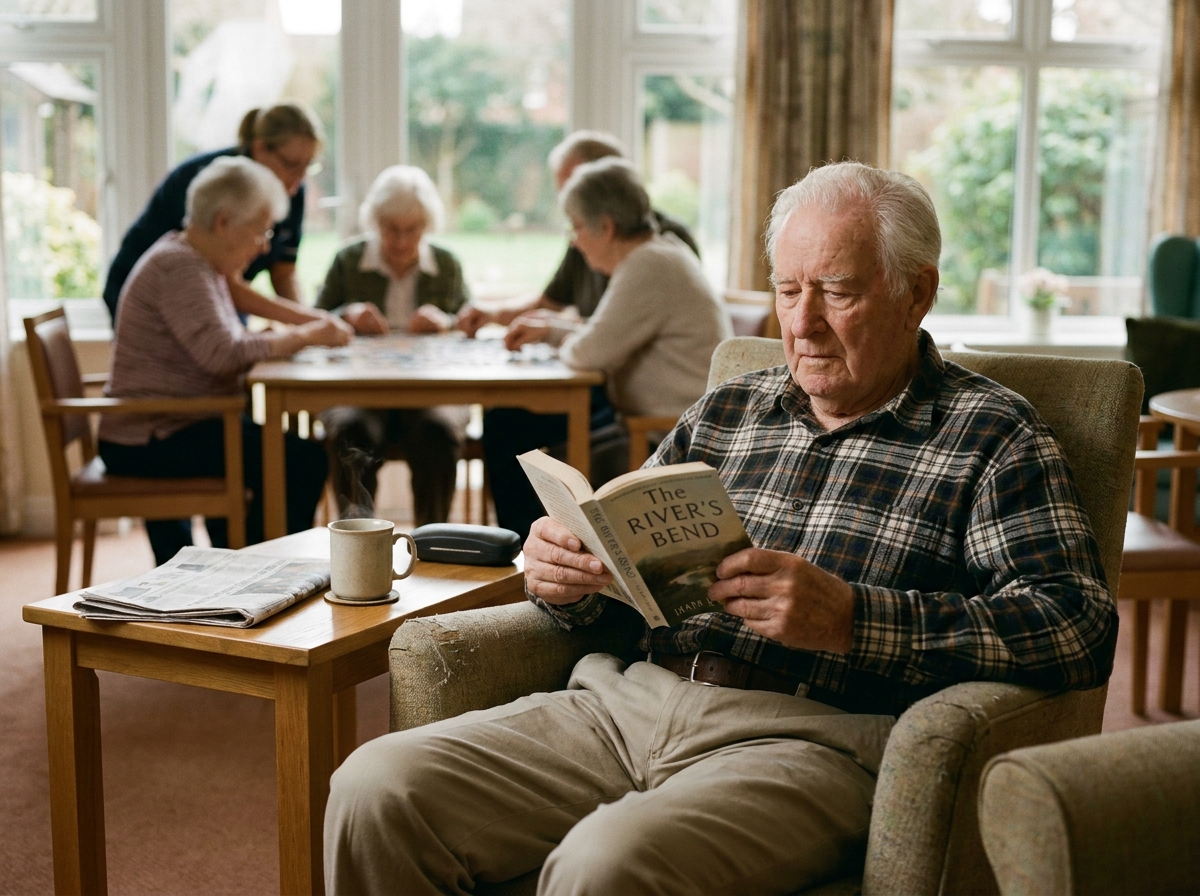
The personalized life project is the main tool intended to ensure the maintenance of habits in a collective structure. It is theoretically built with the resident, their family, and the care team in the weeks following admission. Its content can cover very concrete topics:
- The desired wake-up and bedtime, as well as dietary habits (specific diet, meals taken in the room or in a common dining area, culinary preferences)
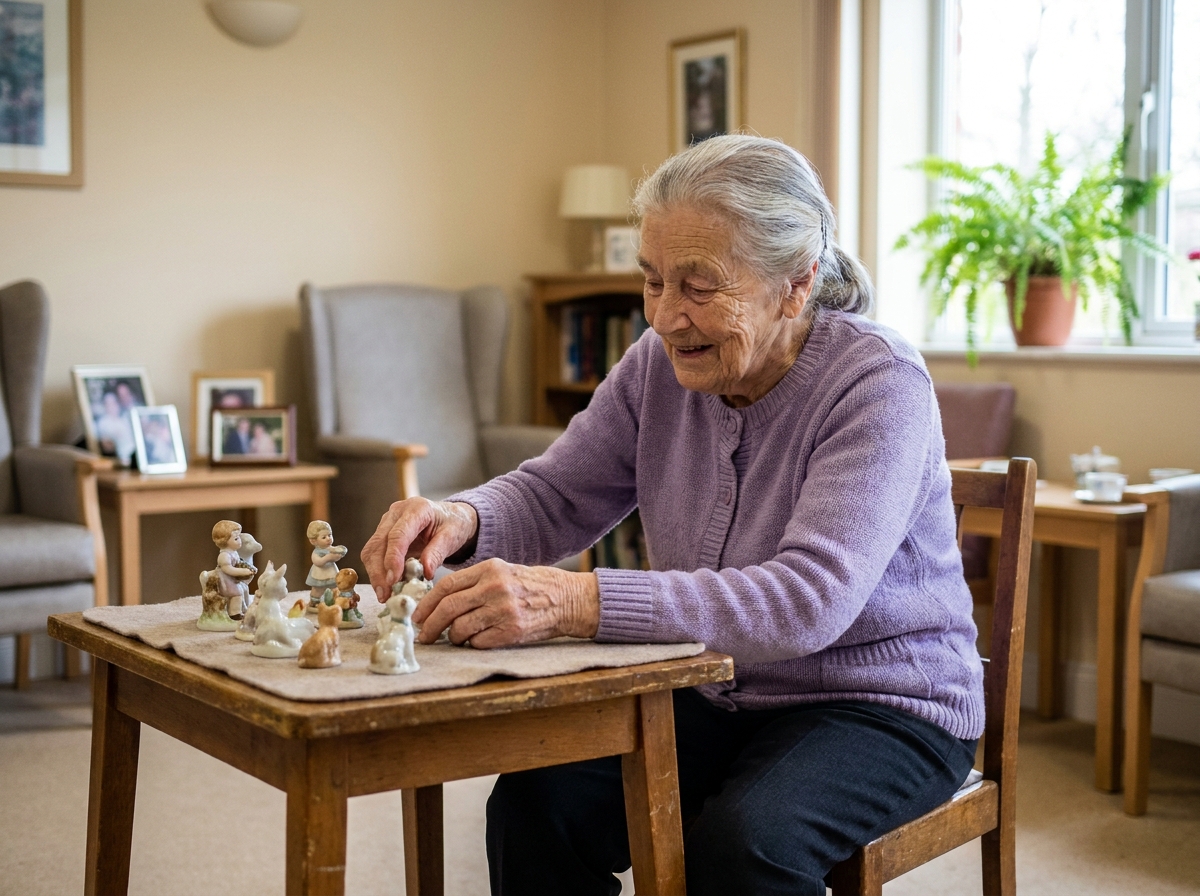
- The social and physical activities practiced before entering the facility, which need to be maintained or adapted (walking, reading, gardening, participation in workshops)
- The external connections to preserve: visits from relatives, outings in the city, keeping a pet when the facility allows it
On paper, the system seems solid. In practice, the staffing level conditions the real personalization of daily life. An understaffed facility does not have the means to offer a staggered wake-up over two hours. The pressure of schedules pushes for uniform rhythms, even when the life project provides for something different.
The profile of residents has also evolved. The average age of entry into nursing homes has increased, and the levels of dependency at admission are higher than they were twenty years ago. This reality mechanically reduces the margin for maneuver: a highly dependent resident needs help for every action, making personalization more cumbersome to organize than with a still autonomous population.
Alternative structures: assisted living residences and inclusive housing
Nursing homes are not the only option. For people who are still relatively autonomous, assisted living residences (formerly housing facilities) and inclusive housing offer a less medicalized collective framework, where lifestyle habits are easier to maintain.
In assisted living residences, each resident has their own accommodation (studio or two-room apartment), manages their meals, schedules, and outings. Common areas exist, but their use remains voluntary. Social connections are created without institutional constraints, which better preserves the sense of freedom.
Inclusive housing, governed by the ELAN law, is based on a shared social life project. Residents live in grouped individual accommodations, with shared spaces. This model attracts profiles that reject both the isolation of home and the logic of institutions. Feedback from the field varies on the long-term financial viability of these structures, which often depend on subsidies.
What these models change in daily life
The main difference lies in the decision-making autonomy retained by the resident. In assisted living or inclusive housing, the person chooses whether or not to participate in collective activities. They can receive whoever they want, cook if they wish, and go out freely. In nursing homes, these freedoms exist on paper but are often regulated by security protocols, especially for residents with cognitive impairments.
Health factors and aging: what weighs on autonomy beforehand
The ability to keep one’s habits in a collective structure also depends on health status at entry. Well-identified risk factors (tobacco, alcohol, sedentary lifestyle) accelerate the loss of autonomy and reduce the ability to maintain an active life in a facility.
Prevention beforehand conditions the quality of life afterward. A person who arrives in assisted living with good mobility and preserved cognitive functions will have the means to maintain their habits. Conversely, a late entry into a nursing home, after hospitalization or a fall, leaves little margin.
Preventive aging policies in France emphasize adapted physical activity, nutritional monitoring, and screening for chronic diseases. These actions, when initiated early, delay the moment when collective structure becomes necessary and improve the conditions under which the person enters it if needed.
Aging collectively without renouncing oneself: a matter of choice and timing
The answer to the initial question is neither a clear yes nor a categorical no. The maintenance of habits in a collective structure remains partial and conditional. It depends on the type of structure chosen, the level of dependency at the time of entry, the quality of supervision, and the real willingness of the establishment to implement personalized life projects.
The available data do not allow for concluding that all nursing homes offer the same degree of personalization. Public evaluation reports constitute a new comparison tool, still underutilized by families. Assisted living residences and inclusive housing represent relevant alternatives for people who anticipate their aging before losing autonomy.
The choice of structure, the timing of entry, and preparation beforehand remain the three concrete levers available to families to preserve their loved ones’ lifestyle habits as much as possible.