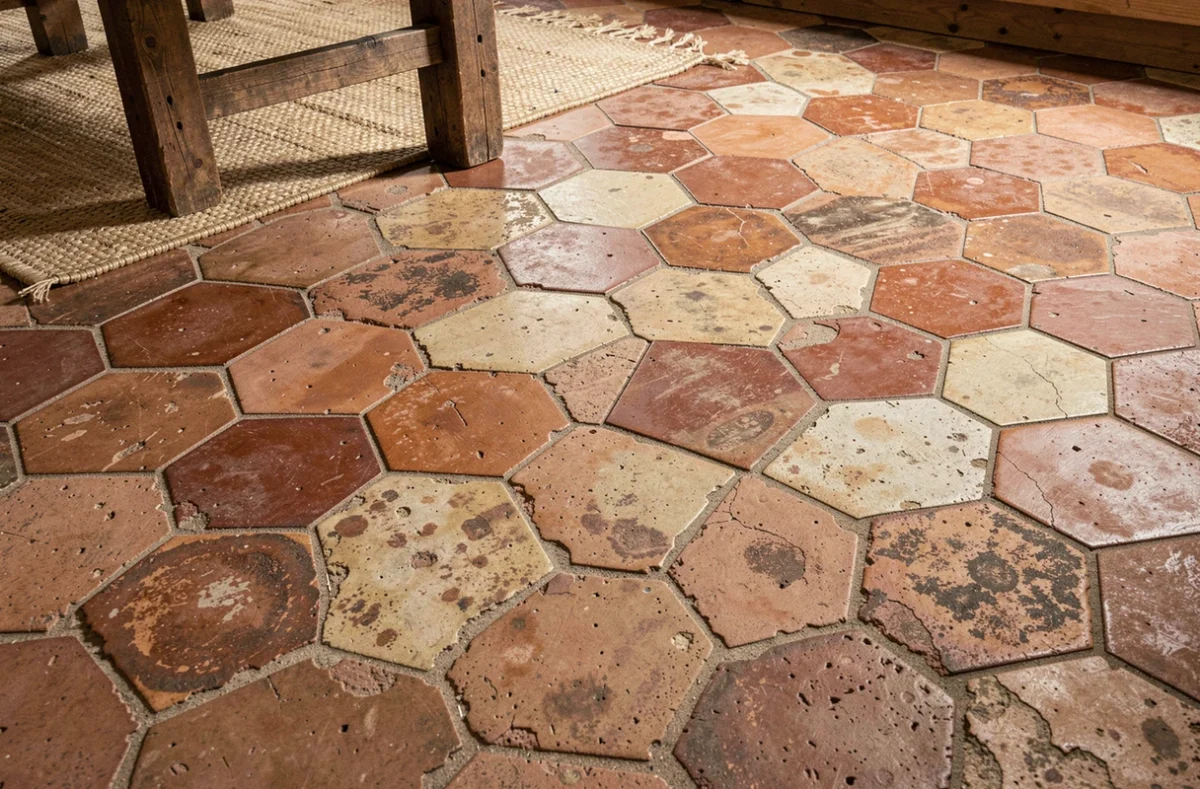
Terracotta tile is an unglazed clay tile, made from local clay and fired at a high temperature. Recognizable by its reddish-orange hue and hexagonal shape, this flooring is found in everything from Provençal farmhouses to Haussmann-era apartments. Its manufacture relies on a simple process, but choosing, installing and maintaining these tiles calls for a few technical precautions that are often underestimated.
Terracotta tiles and damp in older buildings: start with a diagnosis
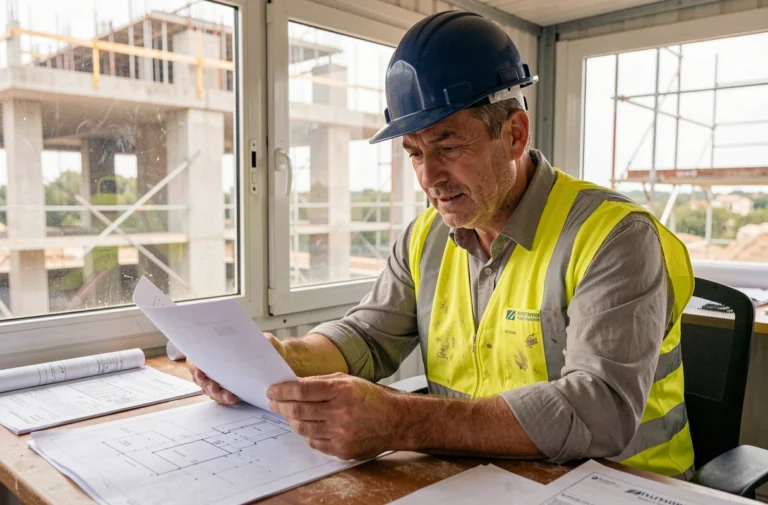
Most guides to terracotta tiles focus on surface treatments such as linseed oil, wax and water repellent. But in an older home, applying a waterproofing treatment without first checking the condition of the floor beneath can make the problem worse.
Rising damp is the main risk. Water rises through the foundations, passes through the slab and reaches the tiles. If a waterproof treatment blocks this moisture, it becomes trapped beneath the tiles. The result: white staining, salt deposits and even tiles coming loose within a few months.
The floor must be assessed before any surface treatment is applied. Before waxing or oiling, measure the moisture content of the substrate. A professional uses a contact moisture meter or a carbide moisture tester to quantify residual moisture. If the level is too high, the priority is to address the source—through drainage, resin injection or crawl-space ventilation—not to treat the tiles.
So, when installing terracotta-look floor tiles as part of a renovation project, don’t skip this step, even if the surface looks dry.
Terracotta tile colors: how clay and firing determine the shade
The color of a terracotta tile isn’t chosen from a color chart like that of an industrial tile. It depends on two factors: the mineral composition of the clay and the firing temperature.
Clay rich in iron oxide produces deep reds and oranges. This is true of the clays of the Haut-Var region around Salernes, where ceramic production took off in the 19th century. Other deposits, with less iron or more limestone, produce pink, straw-yellow or light brown shades.
Firing also plays a part. The higher the temperature, the darker the shade. So the same batch of clay can produce slightly different tiles depending on where they sit in the kiln. This natural variation, sometimes seen as a flaw, is part of the character of handmade terracotta tiles.
Color and interior atmosphere
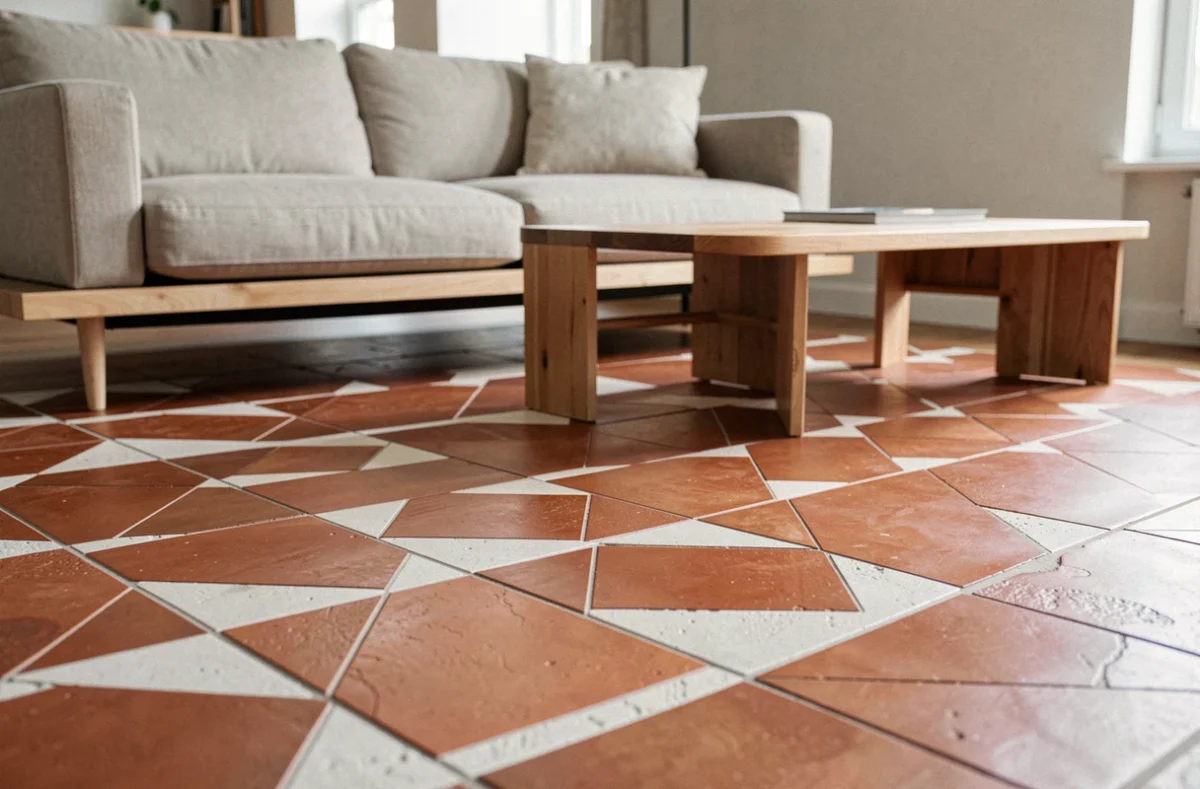
Red and orange tones visually warm up a room, making them a good fit for large spaces with little natural light. Lighter shades such as pink and sand work better in small rooms or interiors already filled with warm colors. Combining two similar shades on the same floor creates a subtle variation in the tile layout, a common feature of renovations in southern France.
Authentic terracotta or terracotta-look tiles: how to choose
There are two distinct options on the market. Genuine terracotta tiles are porous and irregular, and made from natural clay. Terracotta-look tiles are made from porcelain or glazed stoneware and replicate the appearance of terracotta, but have different technical properties.
- Porosity: terracotta absorbs water and needs a water-repellent treatment. Porcelain stoneware is virtually impermeable and doesn’t need this protection.
- Maintenance: terracotta should be cleaned with black soap or Marseille soap, without acidic products. Porcelain stoneware can withstand most everyday cleaning products.
- Thickness and weight: traditional terracotta tiles are thicker than porcelain stoneware tiles, which can be an issue when there is limited clearance beneath doors, particularly when renovating an apartment.
- Underfloor heating compatibility: terracotta is compatible with underfloor heating, provided the substrate, moisture levels and available floor depth have been checked. The temperature must be raised gradually to prevent stress in the tiles.
The right choice depends on how the room will actually be used. A busy entrance or a shower room points to porcelain stoneware. A living room or kitchen in an older home, where authenticity matters most, is a good reason to choose terracotta.
Reusing old terracotta tiles: plan ahead
Salvaging old terracotta tiles during demolition or renovation is an environmentally sound practice. The carbon footprint of these reclaimed materials has already been accounted for, and their patina is impossible to reproduce industrially.
However, ADEME points out that careful removal, storage and transport make building-material reuse more complicated. For terracotta tiles, this means planning for their recovery and sorting during the site-preparation phase, not after demolition. A broken or improperly stored tile can’t be reused.
What to check before reinstalling
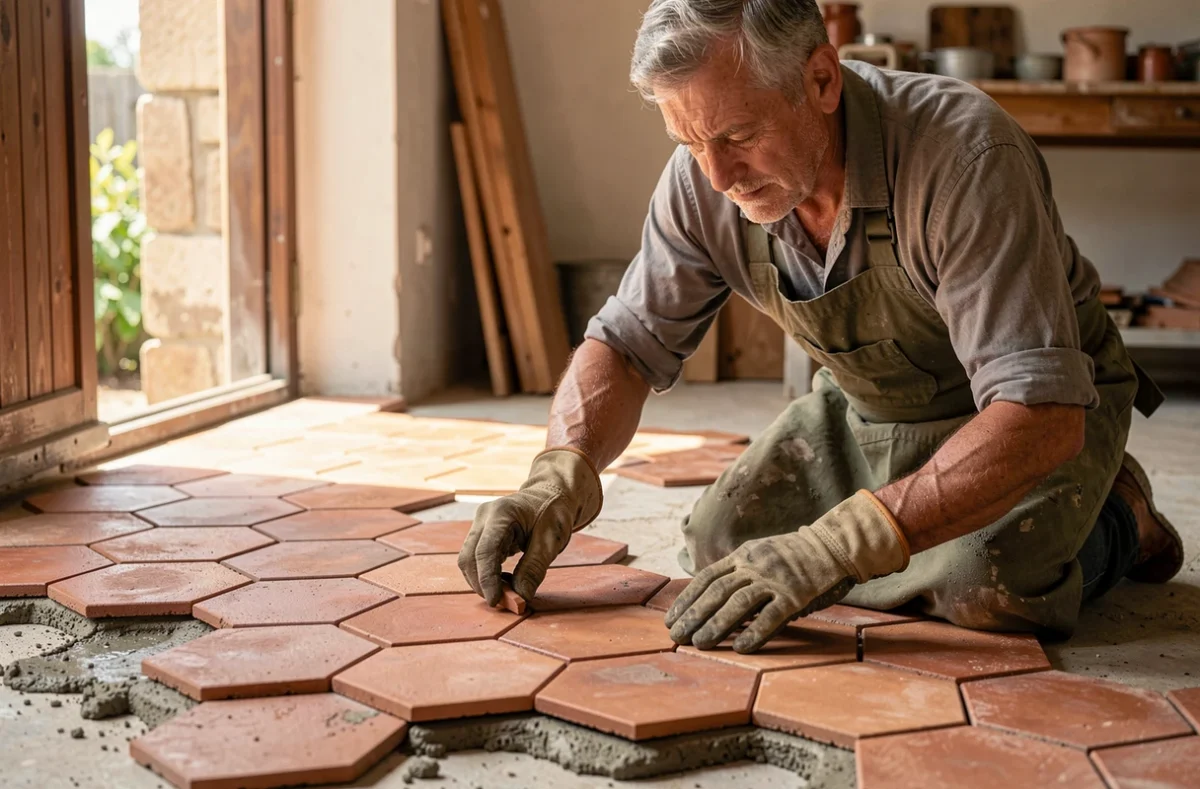
Reclaimed terracotta tiles often vary in thickness from one batch to another. The installer must compensate for these differences by adjusting the mortar thickness, which increases installation time. You should also check for traces of lead in old surface treatments, especially on tiles dating from before the 1950s.
Specialist reclaimed-building-material dealers offer batches that have already been sorted, cleaned and calibrated. The extra cost compared with salvaging tiles yourself is justified by the time saved on site and the guarantee of a consistent batch.
Terracotta tiles can last for decades, even centuries when the substrate is sound. The choice between terracotta and imitation, or between new tiles and reclaimed ones, depends on the existing building, the room in question and the budget allocated to floor preparation—not just the tiles themselves.