A Mozart concert played on synthesizer has recently topped the playlists of streaming platforms. Several international orchestras are now recruiting composers from electronic music during their seasons. Young conductors are collaborating with hip-hop and jazz artists to create hybrid works, praised by both critics and the public.
These initiatives are shaking up habits that have been entrenched for centuries in the musical world. Programmers and musicians agree on one point: the evolution of the repertoire is no longer just an aesthetic choice, but a strategy to broaden the audience and renew forms of artistic expression.
When classical tradition dialogues with the contemporary world
Classical music moves forward in constant dialogue with the sounds that surround it. In recent years, this dialogue has intensified. Composers, arrangers, and performers are reinventing the classical repertoire, breathing new life into it with influences from popular music or French chanson. Opera melodies are now appearing in electro tracks, 19th-century ballets are incorporating movements drawn from hip-hop, and boundaries are blurring to allow for all kinds of hybridizations.
This richness and diversity transcend eras, carried by artists determined to abolish the borders between classical and modernity. Orchestras in France, sometimes with a long history, regularly call upon contemporary composers to revisit masterpieces. Generations intersect, worlds brush against each other, and this little universe turns the concert into a laboratory of living ideas.
This movement is not confined to large venues. Through projects promoted by Point Contre Point, the diversity of classical music is showcased in new ways. Landmark works from the repertoire intersect with contemporary creation, drawing a story that is always in motion. Audiences discover a vibrant classical music, constantly influenced by the tremors of its time.
What are the new faces and initiatives reinventing the classical scene?
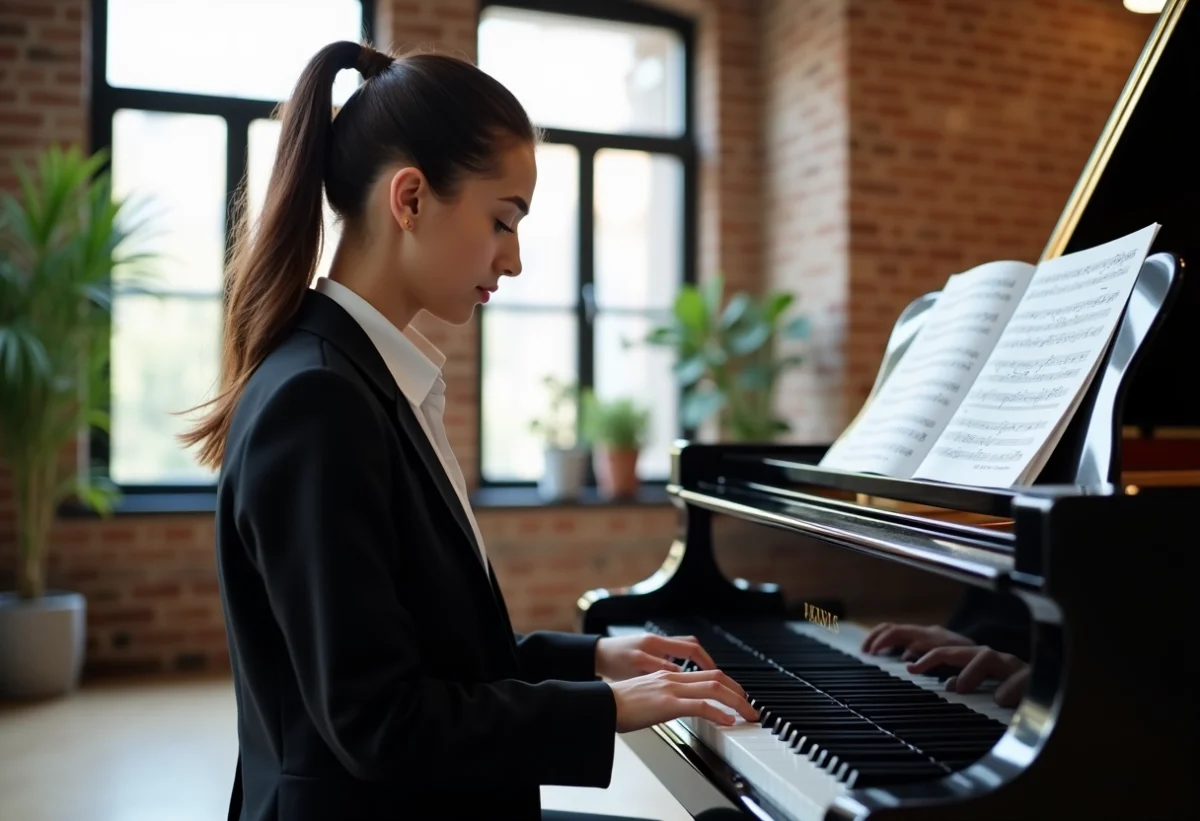
The classical scene in France is changing its face. A new generation of artists and collectives is relentlessly questioning the classical repertoire. On stage or in the studio, young conductors and instrumentalists are taking ownership of the music of Saint-Saëns, Gabriel Fauré, or Claude Debussy, while confronting it with today’s sounds.
A movement is taking shape: that of the renewal of classical music. Hybrid creations and unexpected staging are overturning concert habits. The audience no longer listens as mere spectators. They become part of an immersion in the musical universe that changes the game. Formats are multiplying, from reimagined recitals to spatial arrangements where theater, visual arts, and digital media intertwine.
Here are some concrete examples of this diversity:
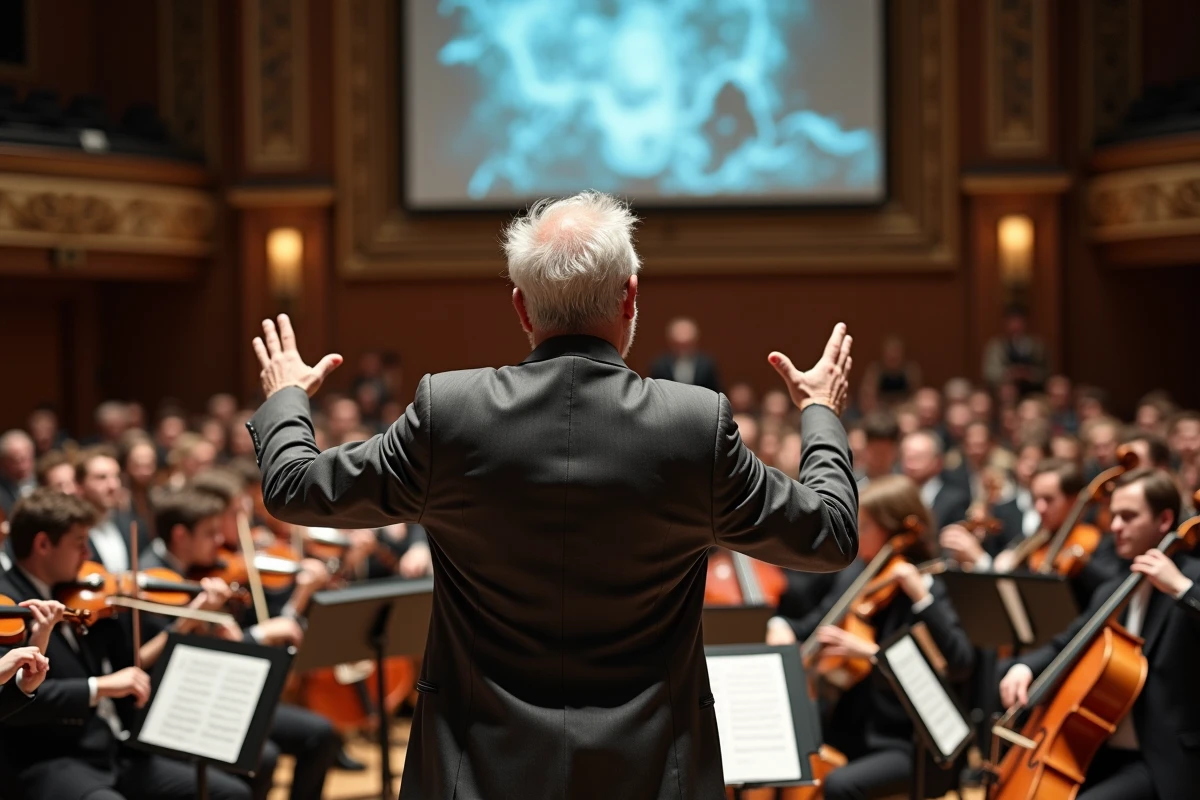
- Orchestras are creating genuine sensory journeys: light, video, and scenography combine with the performance of a masterpiece from the repertoire.
- Some ensembles dare to venture into baroque music or transform 19th-century opera with contemporary staging devices.
This flourishing is expressed in all kinds of aesthetics and approaches. Historical institutions, like the national opera, are teaming up with young creators to renew the audience’s experience. The French classical scene, freed from academic constraints, is opening up to new narratives and exploring heritage from a fresh perspective.
Events and creations not to be missed to experience classical music differently
Classical music is showing up where it is least expected. In Paris and beyond, initiatives are multiplying. Classical music events are taking place in unexpected venues, such as industrial wastelands or parks, revealing the richness and diversity of the repertoire to varied audiences. The concert takes on a new dimension, and the staging transforms listening into a true immersion in the musical universe.
Major ceremonies, like the opening ceremony of the Olympic Games in Paris, embody this new momentum. Excerpts from masterpieces engage in dialogue with contemporary creation: French tradition is on display, but without fear of embracing novelty. Baroque music coexists with today’s voices, everything intertwines, everything responds.
To gauge the extent of this effervescence, here are some standout formats:
- Outdoor concerts offer a chance to rediscover opera and ballet in heritage sites at dusk.
- Original creations combine digital arts, video, and performance: the light and richness of classical scores emerge transformed.
- Collective workshops facilitate access to the diversity of the repertoire, providing a direct encounter with the works and the artists.
The scene is transforming, questioning our relationship with living culture. Everywhere, recent projects demonstrate how classical music has lost none of its power to surprise. Listening to it today, one senses that the dialogue between past and present is far from over.