No medical act can be performed without the presence or direct intervention of a nurse in almost all healthcare structures. Legislation imposes a strict division of responsibilities between doctors and nurses; however, many situations assign nurses tasks of assessment, coordination, and monitoring that go beyond purely technical aspects.
On the ground, this reality translates into increasing demands. The required skills continue to expand: clinical, relational, organizational, nothing is left to chance. Protocols evolve, digital tools become essential, and the profession is reshaped at every technological turn. Nurses become anchor points for the medical team, closest to patients and the changes in the sector.
The central role of nurses in the care pathway
At the heart of the patient journey, the nurse acts as a true conductor. She coordinates, anticipates, adjusts, whether urgency arises or routine settles in. Her ability to make decisions impacts the quality of follow-up and the safety of each care process, in collaboration with the entire care team.
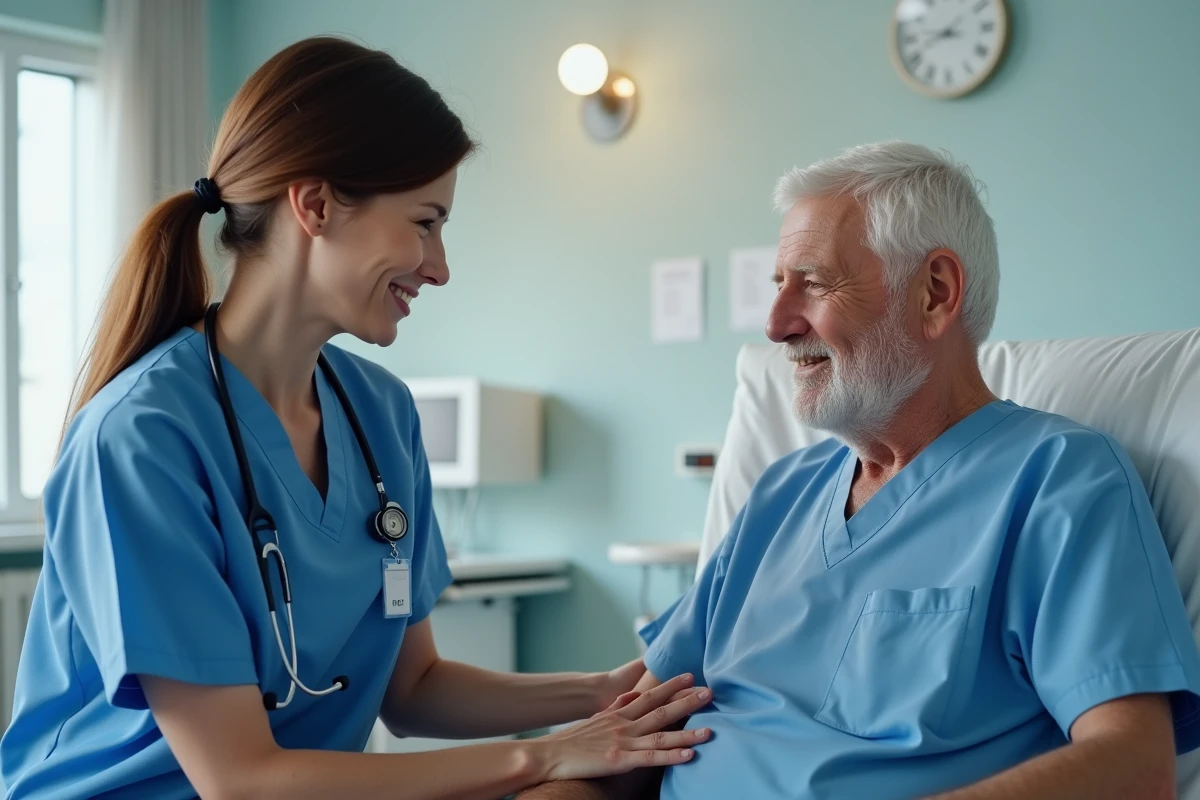
Close to the patient’s bedside, she collects clinical data, evaluates each sign, sometimes subtle, that could indicate a change in condition. This work is never limited to the mechanical application of protocols. It requires constant vigilance, acute listening, and the ability to raise the alarm when a situation demands it. Everything is recorded, every action and every observation, in the care file.
Coordination also means facilitating dialogue. The nurse transmits essential information between doctors, physiotherapists, psychologists, and families. This smooth flow of data allows for adjustments to the care plan and individualization of support.
For those who wish to delve deeper into this subject, information on Bee Healthy provides detailed insights into the scope of action, role sharing, and the daily challenges faced by the profession. Far from preconceived images, the daily life of nurses is built at the intersection of technique, humanity, and coordination, always for the benefit of the patient.
What skills and responsibilities are needed to meet current health needs?
Each day requires nurses to mobilize a set of skills that continues to grow. Mastering technical gestures is not enough. It is also about knowing how to observe, question, and detect the slightest hint that could signal a clinical evolution. This constant reasoning, this ability to anticipate, defines the reality of the profession.
Care planning relies on a meticulous analysis of each patient’s health status. The nurse writes, records in the file, and transmits useful information to the team. This rigor, often discreet, ensures the safety and smoothness of the care pathway.
Here are some tasks that punctuate daily life:
- Regular monitoring of vital signs
- Quick and effective management of emergency situations
- Continuous updating of practices according to current protocols and recommendations
Communication remains at the center of everything: with the patient, their family, and colleagues. It fosters trust and allows for better anticipation of needs. The nurse also plays a role in resource management, the transmission of sensitive information, and the regular evaluation of practices to progress collectively.
In the face of the increasing prevalence of chronic conditions and the growing complexity of care, the profession is transforming. Adapting, continuous training, and maintaining connections throughout the patient journey: the nurse embodies this movement, ensuring quality and long-term support.
Career prospects and professional opportunities in the nursing sector
The profession continues to evolve, driven by demographic changes, technological innovation, and new ethical challenges. Nurses are no longer confined to hospitals; coordination between the community and hospitals, home care, redefines the scope of their actions.
Their skill set is expanding in areas such as medical device management, clinical follow-up, and patient-centered planning. Nurses are getting involved in therapeutic education, joining research protocols, and integrating into health networks that open new professional horizons.
Opportunities for diversification are multiplying, particularly in the following areas:
- Supervision, training, and support for new professionals
- Management of health data and mastery of digital tools
- Advanced skill development, both in clinical practice and coordination
Continuous education is becoming the driving force behind these evolutions. Nurses are investing in emerging sectors: public health, prevention, organizational expertise, humanitarian missions, and management of complex pathways. Their expertise is increasingly recognized, driven by the demand for personalized care and the need for flawless follow-up for each patient.
Behind every uniform, there is now much more than a vocation: an agile, committed profession that shapes the health of tomorrow every day.