A green wall can be installed both outdoors and indoors. In the rooms of a house or a commercial space, it allows occupants to garden effectively. However, it is true that installing an indoor green wall requires a significant budget, but it is truly worth it. Here are some practical information about indoor green walls that will help you define your installation project.
Installing an indoor green wall: the benefits
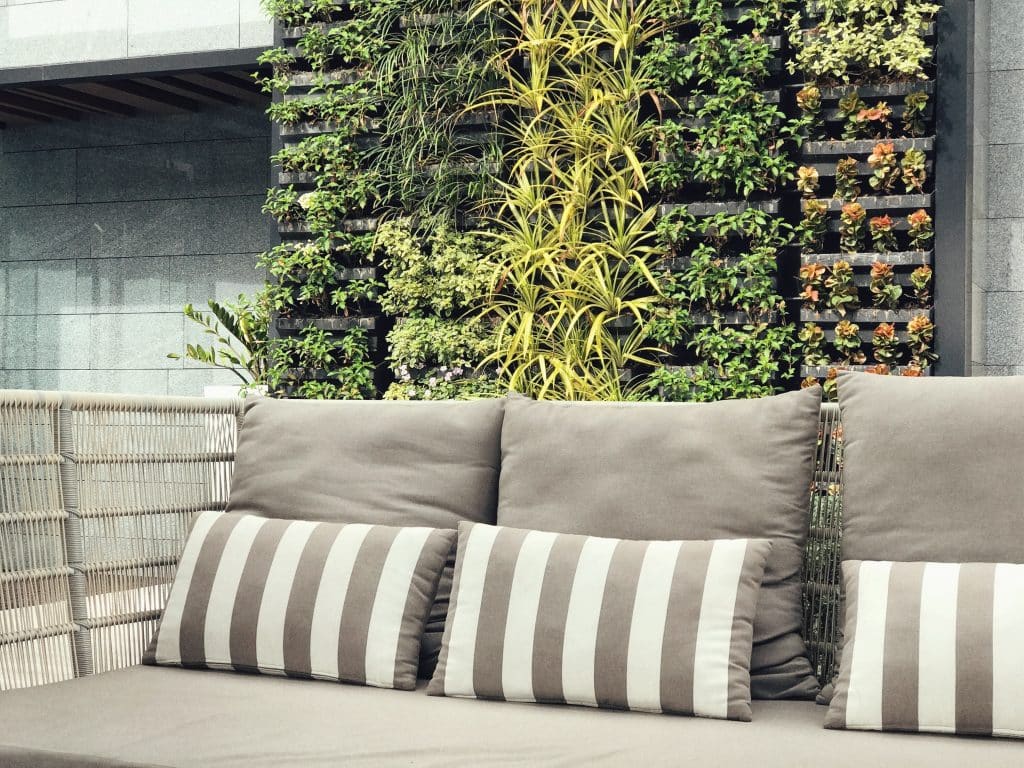
Installing an indoor green wall has several advantages. You can enjoy a more aesthetic interior. Your indoor space has a particularly natural aesthetic that gives you the feeling of being both inside and outside at the same time.
The air quality inside your home is greatly improved. The plants in your green wall can reduce the amount of dust in the air, purifying it. Additionally, the amount of CO2 present in a room is significantly reduced. The plants emit water vapor, which contributes to improving the ambient humidity of a room. It should also be noted that the green wall can contribute to soundproofing the interior of your room. This will also benefit from excellent thermal insulation thanks to the effect of the plants in the indoor green wall.
How the indoor green wall works
The indoor green wall consists of living plants. They require the four fundamental elements for their development: water, light, nutrients such as natural organic fertilizers, and heat. In terms of water, the green wall is equipped with an integrated irrigation system, usually a drip irrigation system. Therefore, you no longer need to water your plants before seeing them thrive in the best conditions. The plants can also grow in a traditional substrate, which requires manual watering.
Regarding nutrients, the plants are fed with natural organic fertilizers. They contain minerals, nitrogen, zinc, and magnesium. Natural organic fertilizers do not contain chemicals that could affect your health. Consulting a landscaper in Chevreuse can help you choose the right organic fertilizers.
Light is important for the growth of the plants in an indoor green wall. Without it, the plants would be unable to thrive. Daylight is often insufficient for the development of the plants in an indoor green wall. Installing a wall usually leads to the installation of supplemental lighting. Indoors, the green wall does not require a large amount of heat. It is essential to keep them away from radiators and electric convectors.
How to maintain your indoor green wall?
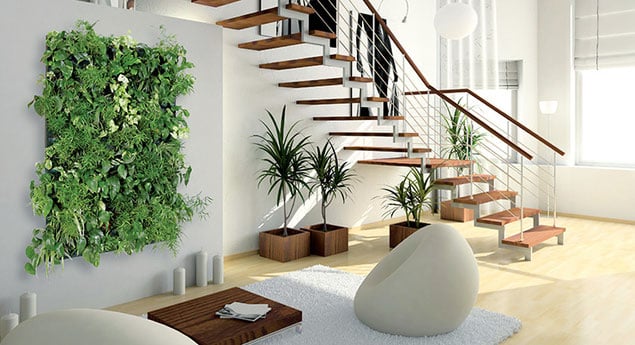
The indoor green wall requires regular maintenance to last for many years. You should regularly trim it and remove dead leaves. You need to replace any plants that do not contribute significantly to your wall’s development. It is also important to check the irrigation system if it is integrated into the indoor green wall. The acidity level of the nutrient solution for the plants must be stable. To check the stability of the level, you can use pH paper.