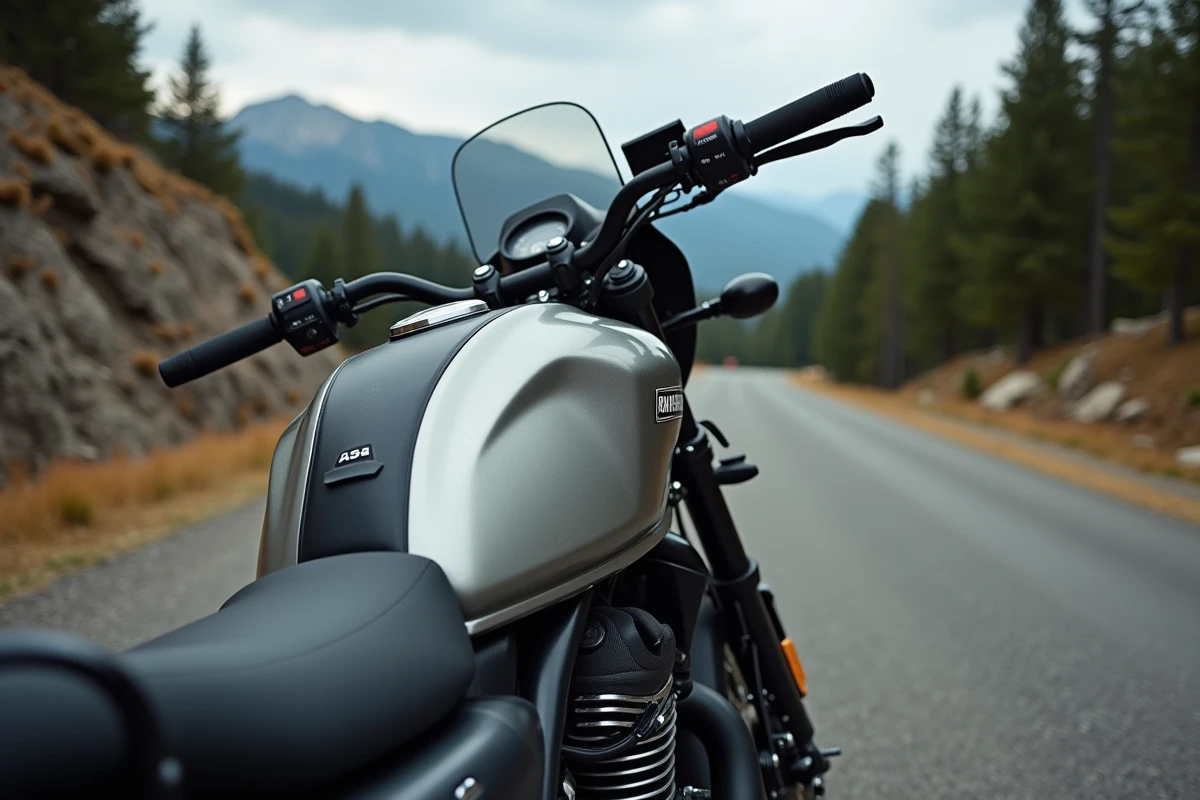
The race for fuel tank capacity on large displacement motorcycles has become more complicated since the implementation of the Euro 5+ standard. Several manufacturers have reduced the volume of their tanks to compensate for the extra weight associated with new anti-pollution systems and electronic equipment (IMU, advanced ABS). As a result, some 2024 models have a lower range than their 2020-2022 versions, despite a slight decrease in fuel consumption.
Euro 5+ and Tanks: Why Manufacturers Are Losing Liters
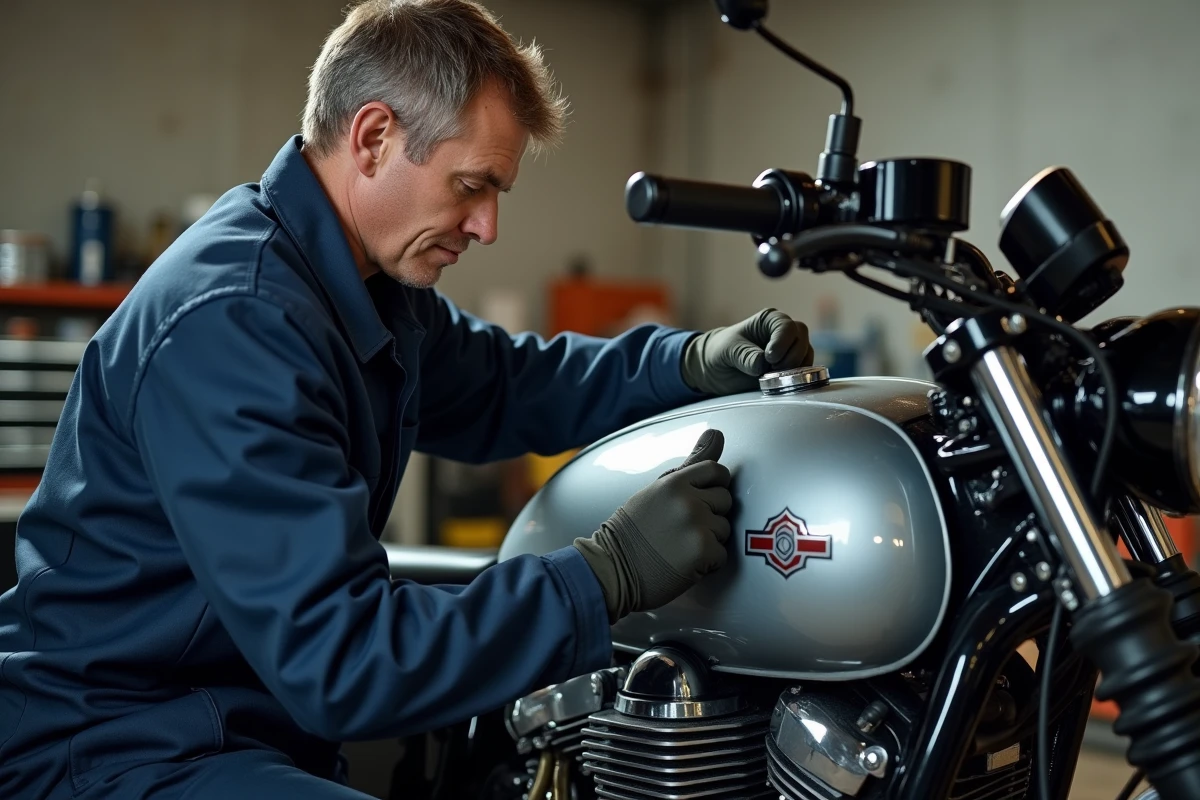
This phenomenon often goes unnoticed in technical specifications. Between the larger catalyst, the additional sensor wiring, and the frame reinforcement to maintain rigidity with increasing weight, the tank is the first variable to be adjusted. On a trail or a roadster, removing one or two liters helps keep the total weight below a psychological threshold for the market.
We observe that this logic affects high-end maxitrails less, where the development budget allows for more refined integration solutions. Entry-level and mid-range motorcycles, on the other hand, are feeling the full brunt of this regulatory constraint.
On machines designed for travel, the capacity of the motorcycle tank remains a crucial criterion in the final choice. One liter less, with an average consumption of five to six liters per hundred kilometers, represents about twenty kilometers less range, which radically changes the planning of stages in isolated areas.
BMW and Honda Maxitrails: Reference Tanks in 2024
The BMW R 1300 GS Adventure remains the absolute reference in terms of capacity in the maxitrail segment. Its tank far exceeds what most competitors offer, and the mixed cooling boxer twin maintains a contained consumption despite the displacement.
The Honda Africa Twin Adventure Sports retains one of the most generous tanks in the segment. The Honda parallel twin, known for its efficiency, combined with this capacity, provides a real range that exceeds that of machines that, on paper, have a similar tank. The difference lies in the actual engine efficiency under travel conditions (two people, loaded luggage).
Yamaha Ténéré 700: The Case of the Mid-Range Trail
The Ténéré 700 illustrates a different compromise. Its tank is sized for a mid-displacement trail, but the CP2 single-cylinder engine is remarkably economical. The real range in mixed road/trail use places it in the same range as machines equipped with much larger tanks.
This relationship between capacity and actual consumption is more relevant than just the raw tank number. We systematically recommend cross-referencing the manufacturer’s data with consumption figures in the WMTC cycle when available.
Touring and Grand Touring Motorcycles: Capacity as a Selling Point
In the pure touring segment (Honda Gold Wing, BMW K 1600 GT/GTL), tanks remain generously sized. These machines have not faced the same pressure to reduce weight as trails, as their clientele accepts a more pronounced bulk in exchange for comfort and range.
- Honda Gold Wing: flat-six engine with remarkable efficiency for its displacement, tank suited for continental crossings without frequent stops
- BMW K 1600 GTL: inline six-cylinder, tank designed for long stages, electronically controlled suspension that does not significantly impact consumption despite the high weight
- Kawasaki Vulcan 900 Classic LT: in the cruiser category, the Vulcan twin offers modest consumption and a tank sufficient for relaxed touring use
The common point of these machines: the low or adjustable seat height, which allows for loading without destabilizing the center of gravity. A large tank placed high alters the dynamic behavior, and touring manufacturers integrate this constraint from the frame design stage.
Emerging Markets and Oversized Tanks: An Indicator to Watch
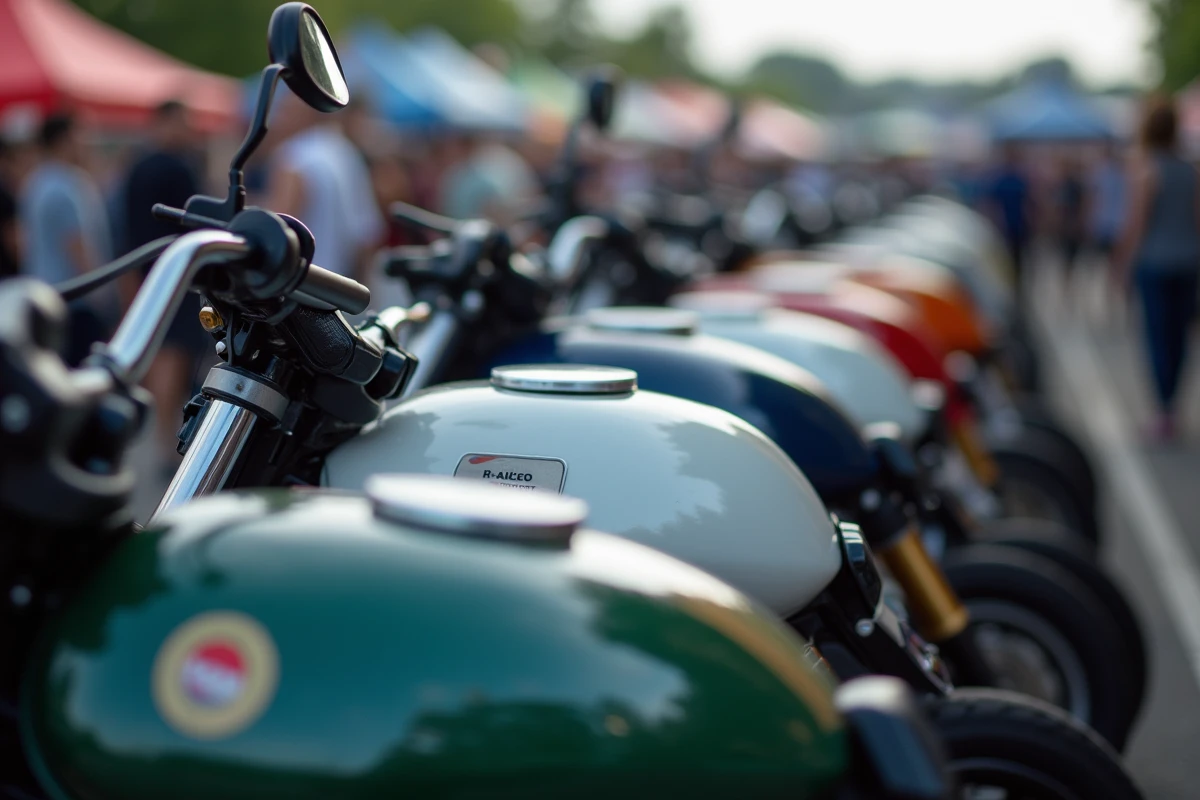
The segment of commuter bikes and small trails from 150 to 250 cm3 sold in India and Southeast Asia features tanks of 15 to 20 liters, well above what is found on equivalent displacements in Europe. The reason is structural: longer daily distances, rare gas stations in rural areas.
Manufacturers like TVS, Hero, and Honda India offer machines whose capacity/displacement ratio far exceeds European standards. This segment significantly contributes to the growth of the global motorcycle market, and some of these platforms are beginning to influence models sold in Europe.
Real Range vs. Gross Capacity: What Technical Specifications Don’t Say
Several manufacturers now communicate on the real range at maximum load, measured according to the WMTC cycle and sometimes supplemented by internal tests with a passenger and luggage. This data is much more usable than just the capacity in liters.
- The WMTC cycle simulates three driving phases (urban, road, highway) and provides a consumption figure closer to reality than a stabilized speed figure
- The range at maximum load (rider, passenger, luggage) can drop by 15 to 20% compared to the solo range announced
- Electronic driving modes (Rain, Touring, Sport) significantly influence consumption, sometimes more than the tank capacity itself
A maxitrail with a large tank in Sport mode will consume more than a mid-range trail in Touring mode with a more modest tank. The choice of driving mode weighs as heavily as the capacity in the final range.
For 2024, the raw ranking of the largest tanks is no longer sufficient to differentiate machines. The Euro 5+ standard has reshuffled the cards, and it is the tank/real consumption ratio under travel conditions that determines the best motorcycle for covering miles without stopping for fuel.